travis county commissioners court primary election
Candidates’ views on regional transportation
February/March 2026
These are the candidates’ full answers to our questionnaire.
See here for a summary of candidates’ answers.
Jump to candidate
Travis county commissioners court — Precinct 2

Amanda Marzullo
1. Long-term transportation vision
What is your long-term vision for transportation in Travis County? What actions could the Travis County Commissioner’s Court take to advance that vision?
My long-term vision for transportation in Travis County is multimodal, regional, and equitable—one where statewide and regional rail connects major Texas cities, and local transit hubs seamlessly link people to buses, light rail, as well as bike and pedestrian infrastructure. Transportation should reduce congestion, lower household costs, cut emissions, and expand access to jobs, healthcare, and education across the region.
To advance this vision, the Commissioners Court should take an active role in regional coordination and investment. That includes moving forward with proposals for regional rail connections, such as a regional rail link to San Antonio; building durable support for federal—and where possible, state—funding for major transit projects like Project Connect; and ensuring that County appointees to regional transportation and transit boards share a commitment to multimodal, climate-responsive planning.
2. Roadway expansions & transportation investments
In the 2023 Travis County transportation bond, the majority of funding was allocated to roadway expansions. Rethink35 and other organizations, businesses, and leaders have opposed such expansions as merely encouraging more driving, doing little or nothing for congestion, and worsening pollution and safety. What are your views on roadway expansions? How should Travis County prioritize investments across roadway projects, public transit, active transportation (walking and biking) in future bonds.
I do not support roadway expansions and believe that they should be avoided. Decades of evidence show that widening roads induces more driving, fails to meaningfully reduce congestion, and worsens air pollution, traffic violence, and climate impacts. Continued expansion—particularly outside the urban core—also locks our region into a car-dependent development pattern that is costly, inequitable, and environmentally unsustainable.
Instead, Travis County should prioritize investments that reduce the need to drive in the first place and give residents real, reliable alternatives to personal automobiles. Future bond funding should focus on:
Public transit infrastructure, including transit hubs, dedicated bus lanes, park-and-ride facilities, and first-/last-mile connections that make transit faster and more convenient than driving.
Active transportation, such as safe, connected sidewalks, protected bike lanes, and trail networks that allow people to walk or bike for short trips and access transit safely—especially in historically underinvested areas.
Safety-focused roadway investments, including intersection redesigns, traffic calming, and maintenance projects that reduce crashes and fatalities, rather than increasing vehicle speeds or capacity.
Demand-management and land-use-supportive projects that align transportation investments with affordable housing, jobs, and services, reducing long commutes and vehicle miles traveled.
Roads should be maintained and made safer, but bond dollars should not be used to chase congestion with expansion. Travis County should invest in a transportation system that is safer, cleaner, more affordable, and resilient—one that moves people, not just cars.
3. Regional rail
What are your views on regional rail in Central Texas? How can Travis County improve access to public transit?
Regional rail is essential for Central Texas. White papers and feasibility studies consistently show that we cannot solve congestion by expanding highways—rail is one of the only scalable ways to move large numbers of people while reducing emissions and connecting major job centers. Travis County can help improve access to public transit by using its role on CAMPO to prioritize rail and multimodal investments, supporting Austin–San Antonio regional rail planning and federal funding readiness, and ensuring stations are paired with frequent local transit and strong first- and last-mile connections so rail works for everyday trips, not just commuters.
4. How CAMPO can do better
The Capital Area Metropolitan Planning Organization (CAMPO) determines how federal transportation funds are allocated in the Austin region. Travis County is represented on CAMPO’s Transportation Policy Board by three County Commissioners and one additional county appointee. How should Travis County Commissioners use their roles on the CAMPO board to shape regional transportation outcomes? What changes, if any, would you support to CAMPO’s policies, processes, or governance structure?
Travis County Commissioners should use their seats on the CAMPO board to actively shape regional transportation priorities—not just by casting votes, but by building consensus and advocating for investments that serve the region as a whole. This includes pushing for multimodal projects, equitable funding formulas, and transportation investments that reduce congestion, improve safety, and expand access to transit for working families across Central Texas.
I would support recalibrating CAMPO’s composition to ensure fair and proportional representation for residents of both large and small cities. Under the current Joint Powers Agreement, suburban communities are overrepresented relative to the City of Austin, which skews regional transportation decision-making.
For example, the combined populations of Georgetown, Leander, Pflugerville, San Marcos, Kyle, and Round Rock total roughly 570,000—about half the population of Austin. Yet each of these cities holds its own seat on the CAMPO Board, for a total of six seats, while the City of Austin has just three. This imbalance gives disproportionate influence to suburban interests, at the expense of Austin residents.
A more representative governance structure would lead to transportation investments that better reflect where people actually live, travel, and experience the impacts of congestion, pollution, and safety risks. Regional planning should be driven by population, equity, and outcomes—not by an outdated allocation of power that no longer reflects the reality of our region.
5. How CTRMA should spend its toll revenues
The Central Texas Regional Mobility Authority (CTRMA) is an independent governmental tolling agency, operating in Travis and Williamson counties. While tolling revenues may be spent on any type of transportation project, to date, CTRMA’s investments have focused primarily on highway projects. How do you think CTRMA should spend its tolling revenues moving forward?
CTRMA should redirect a significant portion of its tolling revenues away from highway expansion and toward public transportation and other multimodal investments. Continued investment in tollways is not sustainable over the long term—it induces more driving, worsens congestion, and increases pollution. Toll revenues should instead be used to support transit, active transportation, and projects that reduce vehicle dependence, improve air quality, and better serve the region’s long-term mobility and climate goals.

Brigid Shea
1. Long-term transportation vision
What is your long-term vision for transportation in Travis County? What actions could the Travis County Commissioner’s Court take to advance that vision?
My long-term vision for transportation in Travis County is grounded in what Central Texans experience every day: simply expanding highways does not solve congestion. Over time, adding lanes encourages more driving, increases pollution, and leaves us with the same traffic problems at a higher cost to public health and the environment.
To meet the climate challenge and support a rapidly growing region, Travis County must invest in a truly multimodal system that includes public transit, regional passenger rail, sidewalks, protected bike lanes, and practical transportation demand-management strategies.
The Commissioners Court has concrete tools to advance this vision. Through our seats on the Capital Area Metropolitan Planning Organization, county representatives should continue advocating for federal and regional funds to be directed toward transit, safety, walking, and biking rather than new highway capacity. Regionally, we have seen how repeated reallocations of funding toward I-35 service roads have deferred transit and trail projects, reinforcing the need for a different approach.
Future county transportation bonds must continue to reflect climate and equity goals, focusing on maintenance, safety improvements, sidewalks, bike lanes, and transit-supportive infrastructure. Through its Active Transportation and Sidewalk Improvement programs, Travis County has already begun investing in shared-use paths and closing sidewalk gaps along county roads in unincorporated areas—places where residents previously had no safe way to walk.
The Court should also continue coordinating closely with CapMetro to expand transit service beyond its historic core, particularly in fast-growing areas of eastern Travis County where transportation options have not kept pace with development.
2. Roadway expansions & transportation investments
In the 2023 Travis County transportation bond, the majority of funding was allocated to roadway expansions. Rethink35 and other organizations, businesses, and leaders have opposed such expansions as merely encouraging more driving, doing little or nothing for congestion, and worsening pollution and safety. What are your views on roadway expansions? How should Travis County prioritize investments across roadway projects, public transit, active transportation (walking and biking) in future bonds?
Roadway expansions that focus primarily on increasing vehicle capacity have not delivered lasting congestion relief in Central Texas. This concern is central to my opposition to the I-35 expansion, which places significant public health burdens on nearby communities and has not adequately addressed pollution from vehicle traffic, including particulate matter.
That said, not all roadway investments are the same. Some projects are necessary to repair aging infrastructure, address drainage and safety hazards, or add missing sidewalks and bike lanes. The challenge is balance. It’s worth noting the 2023 bond included important active transportation and park investments.
Future transportation bonds should increase the share of funding dedicated to public transit and active transportation. Roadway funding should focus on maintaining existing roads and retrofitting streets to be safer for everyone.
Additionally, we are leading an effort to pursue the potential for expanding commuter rail between Austin and San Antonio which would be an important addition to regional multi modal options.
3. Regional rail
What are your views on regional rail in Central Texas? How can Travis County improve access to public transit?
Regional passenger rail is essential to Central Texas’s long-term future. The Austin–San Antonio corridor is one of the fastest-growing regions in the country and relying solely on highways to serve that growth is neither environmentally nor economically sustainable. Notably, I was the only member of the CAMPO board who voted against the misguided actions to defund the Lone Star Rail project, which would have created more effective passenger rail between Austin and San Antonio.
In 2022, the Travis County Commissioners Court unanimously funded a passenger rail feasibility study examining potential routes and implementation strategies, including options that could leverage existing or publicly controlled corridors to reduce cost and environmental disruption. This early planning is critical as the region competes for federal rail funding and faces years of construction along I-35.
At the local level, Travis County can improve transit access by supporting expanded bus service, integration with Project Connect, and strategically located park-and-ride facilities near major employment centers. We have also provided bond funding for improved bike and sidewalk connections on the Red Line. Improving transit access is fundamentally an equity issue, and county decisions should be evaluated by whether they expand access to jobs, healthcare, and education for people who do not have reliable access to a car.
4. How CAMPO can do better
The Capital Area Metropolitan Planning Organization (CAMPO) determines how federal transportation funds are allocated in the Austin region. Travis County is represented on CAMPO’s Transportation Policy Board by three County Commissioners and one additional county appointee. How should Travis County Commissioners use their roles on the CAMPO board to shape regional transportation outcomes? What changes, if any, would you support to CAMPO’s policies, processes, or governance structure?
Travis County Commissioners should use their roles on CAMPO to advocate for transportation decisions that prioritize sustainability, safety, and equity—not simply vehicle throughput. During my time on the Transportation Policy Board, I have consistently pushed back against car-centric planning and supported greater investment in transit, safety, and transportation demand management.
In 2020, CAMPO redirected hundreds of millions of dollars in federal funds to the I-35 project through a rushed process with limited public notice, deferring numerous transit and active transportation projects. I abstained from that vote because alternative funding mechanisms had not been fully explored and the process lacked transparency.
Those lessons should inform permanent changes to CAMPO’s policies. Project scoring and decision-making criteria should place greater weight on safety, climate impacts, and equity, particularly for people who walk, bike, or rely on transit. CAMPO should also strengthen its internal expertise in transit and demand management so that roadway expansion is no longer treated as the default solution.
5. How CTRMA should spend its toll revenues
The Central Texas Regional Mobility Authority (CTRMA) is an independent governmental tolling agency, operating in Travis and Williamson counties. While tolling revenues may be spent on any type of transportation project, to date, CTRMA’s investments have focused primarily on highway projects. How do you think CTRMA should spend its tolling revenues moving forward?
CTRMA has the legal authority to invest toll revenues in transit, active transportation, and transportation demand management, yet most of its spending has continued to support highway projects. CTRMA now collects well over $100 million annually in toll revenues, and those funds should be used more strategically to expand transportation choices across the region.
Dedicating a meaningful portion of toll revenues to transit capital projects, park-and-ride facilities, trail networks, and first- and last-mile connections would significantly improve mobility while reducing congestion and emissions. CTRMA should also strengthen environmental review, equity analysis, and transparency in its decision-making
Tolling has disproportionate impacts on lower-income residents, which makes it especially important that toll revenues be reinvested in transportation options that benefit the broader public—not just additional highways. We have urged our appointees to pursue all of these priorities. Unfortunately the three of them are a minority vote on the seven member board.

Reese Armstrong
1. Long-term transportation vision
What is your long-term vision for transportation in Travis County? What actions could the Travis County Commissioner’s Court take to advance that vision?
My vision for transportation in Travis County is one where everyone can get where they need to go easily, quickly and affordably without the undue burden of maintenance costs, "time taxes" for users of public transit (like myself), and urban sprawl that severely limits walkability. We can take action on this through building real social housing to increase density in the urban core with deeply affordable public options that also serve as an alternative to rent control to anchor the market, we can organize for CTRMA dollars to invest in our public transportation systems instead of wasteful MoPac expansion, as well as direct Travis County budget to CapMetro and expand service to the ETJ and unincorporated Travis County, and we can have a real vision for climate that doesn't involve gatekeeping our communities from working class people.
2. Roadway expansions & transportation investments
In the 2023 Travis County transportation bond, the majority of funding was allocated to roadway expansions. Rethink35 and other organizations, businesses, and leaders have opposed such expansions as merely encouraging more driving, doing little or nothing for congestion, and worsening pollution and safety. What are your views on roadway expansions? How should Travis County prioritize investments across roadway projects, public transit, active transportation (walking and biking) in future bonds?
Roadway expansions are almost always unnecessary, and we should always be prioritizing public and active transportation with our bond dollars. As a regular transit user, our public transportation is woefully inadequate and it must be the priority with new dollars for transportation improvement projects. Active transportation is also important, we can invest in street redesigns and quick improvements (flex-posting bike lanes, etc), but it also requires longer-term investment in building the urban core that's usually outside of the scope for transportation bond dollars.
3. Regional rail
What are your views on regional rail in Central Texas? How can Travis County improve access to public transit?
Regional rail is crucial to combatting sprawl and we have the money to pay for it with both CAMPO dollars and CTRMA toll revenue. As the Austin metro continues to expand, we are seeing more and more suburban sprawl instead of thoughtful urban planning. If we want to curb this, we need an interconnected regional rail system in order to reduce car dependence and encourage building communities that prioritize public mobility. The county's role as a tax-and-spend authority with limited legislative power, must be to step up and take an active role in putting forward a vision for a county that ensures equitable access for all of us, and organizing to get dollars behind it.
4. How CAMPO can do better
The Capital Area Metropolitan Planning Organization (CAMPO) determines how federal transportation funds are allocated in the Austin region. Travis County is represented on CAMPO’s Transportation Policy Board by three County Commissioners and one additional county appointee. How should Travis County Commissioners use their roles on the CAMPO board to shape regional transportation outcomes? What changes, if any, would you support to CAMPO’s policies, processes, or governance structure?
I believe that we must organize and pressure alongside working class communities to make sure that our federal dollars are spent on public transportation improvements instead of highway expansions. We also must look at real participatory budgeting to engage regular constituents in allocation to ensure we are meeting the needs of our constituents. The role of the county commissioner must involve continually organizing alongside groups to win real change for communities, and that's what I will do on or off CAMPO as commissioner.
5. How CTRMA should spend its toll revenues
The Central Texas Regional Mobility Authority (CTRMA) is an independent governmental tolling agency, operating in Travis and Williamson counties. While tolling revenues may be spent on any type of transportation project, to date, CTRMA’s investments have focused primarily on highway projects. How do you think CTRMA should spend its tolling revenues moving forward?
CTRMA should be spending on public transportation systems both in the urban cores and regional connections throughout the Central Texas area. We must organize and elect leaders that will make this happen. CARTS is severely underfunded and not well-run, public transportation is extremely limited in communities outside of Travis County (and even inside, CapMetro needs a lot of work), and CTRMA toll revenue provides a path towards real regional rail solutions, similar to BART, CalTrain, LIRR, and Metro North, to name a few.
Rick Astray-CanEda III
1. Long-term transportation vision
What is your long-term vision for transportation in Travis County? What actions could the Travis County Commissioner’s Court take to advance that vision?
You can’t talk about transportation without the context of urban planning, so I’ll start there. While we are never going to be able to contain development in our urban core, especially with the need for more affordable housing, we need urban planning that keeps new development close-in (not on the fringes of the county) so we can build a compact, transit-serviceable metro. While the county has little land-use power, the Commissioner’s Court does have the ability to offer developers incentives and to serve as a convening body to help developers work with communities to effectively site new projects.
I believe we need multi-modal transportation that meets the needs of all people in Travis County using the right modes for each area. We’re always going to be a place where families have at least one car, and in the suburbs likely two or more, and we have to live with that. What we can do is a) enable more families to reduce personal vehicles b) reduce personal vehicle trips and/or the length of those trips. We need to follow through on light rail and commuter rail for eastern Travis County – and we need to build that with the idea in mind that people will likely drive a car to a rail station and need parking. In some cases we can complement with bus service, but reaching rail by car is likely the norm we face. The Commissioner’s Court needs to prioritize funding and identifying grant funding for this opportunity that will build equity and provide the benefits of public transportation usage for our growing middle-and-lower-income suburbs. The Commissioner’s Court also needs to work with CTRMA to ensure that as we build roads, those have lanes and / or shoulders available for high-speed bus service. Concurrently, we need to evaluate high-speed bus options for less dense parts of the county where there is still demand to reach the urban core but we cannot support rail ridership. Finally, we need to improve cycling access and the infrastructure to support it. That means trains and buses that can hold more than three bikes per car/bus, secure bike parking, and safety improvements that keep cyclists safe from cars and bike lanes debris free.
Finally, we need to constantly re-evaluate transit needs and usage, with a focus on time-effective and highly reliable service. Sometimes that’ll mean pruning routes, other times adding. But the Commissioner’s Court needs to drive a constant cycle of evaluation.
2. Roadway expansions & transportation investments
In the 2023 Travis County transportation bond, the majority of funding was allocated to roadway expansions. Rethink35 and other organizations, businesses, and leaders have opposed such expansions as merely encouraging more driving, doing little or nothing for congestion, and worsening pollution and safety. What are your views on roadway expansions? How should Travis County prioritize investments across roadway projects, public transit, active transportation (walking and biking) in future bonds?
We need to be pushing for public transportation and biking options over roadways as we allocate resources, but, we also have to recognize that roads are still going to be an important factor in our growing county and we cannot leave those who need to travel by personal vehicle behind – that would just reduce equity for people living in the far parts of the county. When we do expand roads, those typically need to come with priority lanes / access for public transportation. We also should be expanding roads only where transit is not a viable alternative. For example, should we plan for people in eastern Travis County to drive all the way downtown? Or for residents there to drive to a rail station and come in by train? I’d say the latter, which means planning road networks to get them to rail stations, but not expanding roads in the urban core. In fact, in the urban core, we should be looking to re-purpose road space for public transit (dedicated bus and rail) and cycling options.
3. Regional rail
What are your views on regional rail in Central Texas? How can Travis County improve access to public transit?
Clearly, with growing exurbs from our city centers (especially Austin), we need to evaluate regional rail in the context of both the Capital Region and connecting our major cities. We should only build regional rail if we can do it right, however, with the right connecting services at destinations. For example, with the current rail station in downtown Austin, many places (UT, the Capitol, businesses near/past Lamar, businesses south of Lady Bird Lake, most of the east side) are not readily accessible. If we build regional rail it needs to have the right connections, and the right routes. The latter is why I would not have supported the rail study between Austin and San Antonio. Starting a rail project that does not include the growing areas along I-35, and terminates at the airport where there is limited public transit access to the city, is setting us up for failure.
I think to improve access the county needs a three-part focus. First, we need to help people understand the availability of transit and how to use it – so many people are simply unaware of the options. We need more public campaigns in this space, and, as a Commissioner, I would commit to publicly riding transit (typically at least once a week). Second, we need to accept that journeys will often be part personal vehicle and part transit, and make free parking available at outlying stations/stops and publicize that. Third, we need to improve cycling access with safer lanes, secure bike parking, and more room for bikes on rail and buses.
4. How CAMPO can do better
The Capital Area Metropolitan Planning Organization (CAMPO) determines how federal transportation funds are allocated in the Austin region. Travis County is represented on CAMPO’s Transportation Policy Board by three County Commissioners and one additional county appointee. How should Travis County Commissioners use their roles on the CAMPO board to shape regional transportation outcomes? What changes, if any, would you support to CAMPO’s policies, processes, or governance structure?
CAMPO has a tough job – balancing transit needs of very urban and rural areas. Our Travis County Commissioners on CAMPO, and all CAMPO members, should be deeply focused on reducing the personal vehicle miles people accrue getting to work and school. This needs to be a regional approach, that is truly rooted in analysis of commuting patterns. This means that members need to sometimes set aside the interests of their own area to support funding priorities that improve outcomes across the CAMPO area. This focus also needs to include improving equity through effective transportation access for all, especially middle and lower income families.
I’d reduce the number of elected officials on CAMPO and put in more community representation. I’d also reduce the number of committee members required to get an item on the agenda to four in order to ensure that a single county can get an item on the agenda. Finally, I’d form a committee focused on cycling, walking, and similar options to ensure we are prioritizing these modes.
5. How CTRMA should spend its toll revenues
The Central Texas Regional Mobility Authority (CTRMA) is an independent governmental tolling agency, operating in Travis and Williamson counties. While tolling revenues may be spent on any type of transportation project, to date, CTRMA’s investments have focused primarily on highway projects. How do you think CTRMA should spend its tolling revenues moving forward?
CTRMA should make two major changes in how it allocates its money. First, they should focus on an urban core model where, as roads get closer to the urban core, we prioritize public transit. Instead of planning for people to drive all the way to the urban core, we should plan for them to drive to transit and finish the route on transit. This means more dedicated bus lanes and supporting rail development. Second, CTRMA should consider funding transit projects that can replace the need for roads where feasible. CTRMA should be largely using tolling dollars for maintenance of roads, not growth, and instead funding transit that replaces the need for roads.
Travis county commissioners court — Precinct 4
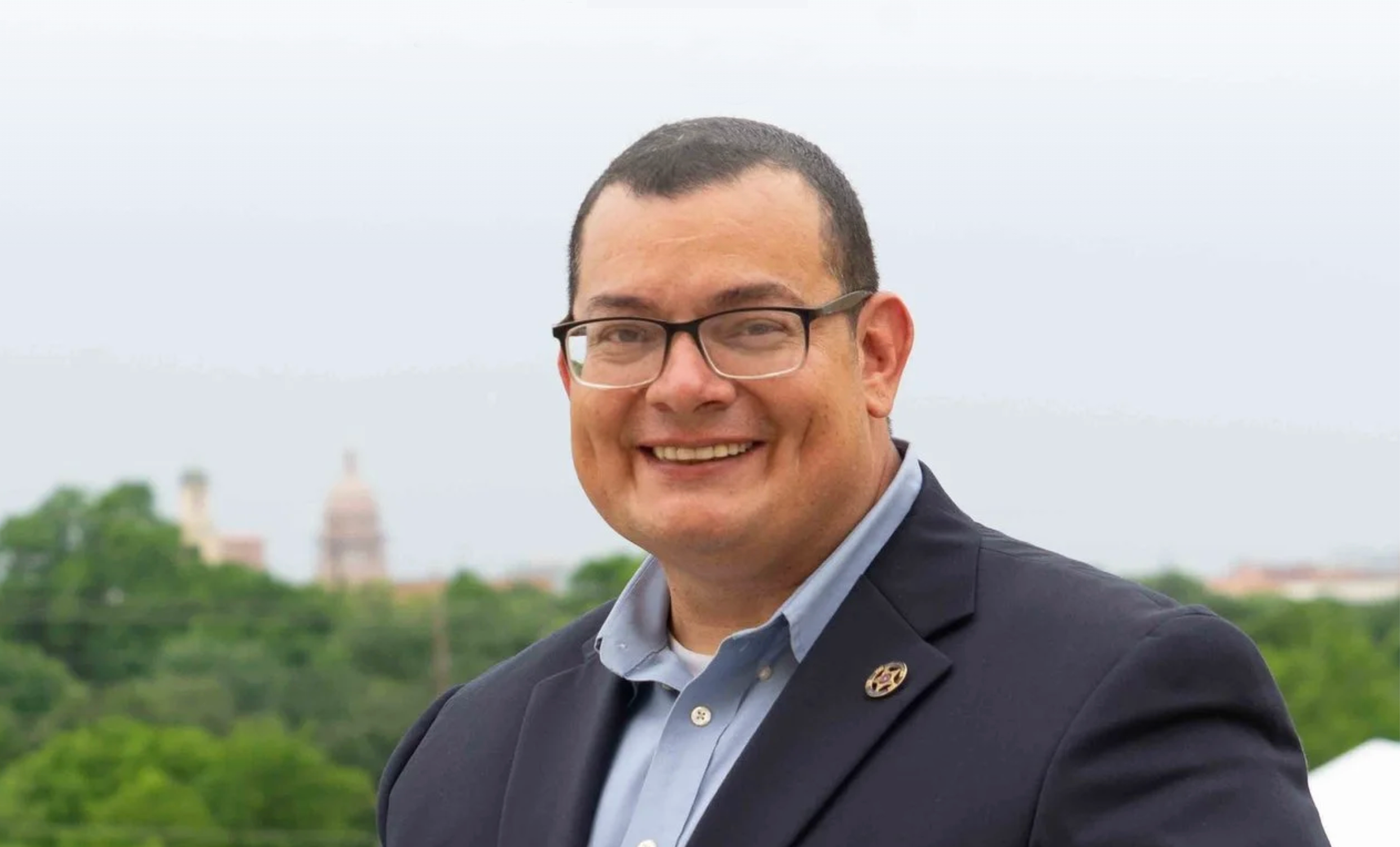
George Morales III
1. Long-term transportation vision
What is your long-term vision for transportation in Travis County? What actions could the Travis County Commissioner’s Court take to advance that vision?
I want to see Travis County build a transportation system that is affordable, reliable, and accessible to every resident in the long term. Our underserved communities deserve real investment in transit options that make travel safer and provide meaningful support for working families.
Without strong transportation infrastructure, our communities cannot fully benefit from the services Travis County provides. It doesn’t matter how many resources are available, such as healthcare, mental health care, social services, or employment opportunities, if people have no way to reach them. Access is the foundation that makes every other service usable.
The Commissioners Court can strengthen this vision by working closely with CapMetro to expand routes in the Eastern Crescent, increase park-and-ride options, and invest in the infrastructure needed to make these services practical and dependable.
We also need a genuine, ongoing conversation with the community. Public input must be acknowledged and reflected in decisions about funding alternative transportation options alongside roadway expansion and maintenance. Our transportation future should be shaped by the people who rely on it every day.
2. Roadway expansions & transportation investments
In the 2023 Travis County transportation bond, the majority of funding was allocated to roadway expansions. Rethink35 and other organizations, businesses, and leaders have opposed such expansions as merely encouraging more driving, doing little or nothing for congestion, and worsening pollution and safety. What are your views on roadway expansions? How should Travis County prioritize investments across roadway projects, public transit, active transportation (walking and biking) in future bonds?
I want to echo what I shared in the previous question: our transportation projects must reflect the values of Travis County. Equity isn’t just about adding roads, bike lanes, or bus routes — it’s about listening to our communities, understanding their needs, and addressing the issues they identify. Travis County is large and rapidly growing, and challenges in one area aren’t the same as in another. By engaging directly with residents, we can determine what each community needs.
With that in mind, roadway expansion may not be necessary everywhere, but in some of our fastest-growing areas, it is essential. At the same time, that cannot come at the expense of developing strong alternative transportation options. The earlier we plan for transit, multimodal infrastructure, and safer mobility choices, the better the long-term outcomes for the people who live here.
To answer the question directly, we need thorough research and meaningful community input when deciding which projects to fund. Our investments should be guided by what will deliver the greatest benefit to the people of Travis County, both now and in the future.
I come from a public safety background and have seen firsthand how urgently we need to improve safety on our roadways. There is a real need for investment across Travis County, and Precinct 4 is no exception. We must prioritize fixing dangerous, high-crash roads and addressing safety hazards before pursuing large, expensive expansion projects. That includes keeping our sidewalks and bike lanes safe, well-maintained, and accessible. Multimodal corridors that protect all users should be the priority.
Many areas in our county still lack even the most essential infrastructure, such as sidewalks, which puts residents and children at risk every day. Expanding public transit where it improves safety and access is also critical. Reliable transit reduces congestion, lowers crash risk, and provides safe alternatives for those who cannot or choose not to drive for various reasons. We need to be cognizant of ALL of our residents. Public safety must be taken into account when these decisions are made.
3. Regional rail
What are your views on regional rail in Central Texas? How can Travis County improve access to public transit?
I am a supporter of project connect, but when we talk about equity, we must acknowledge that Precinct 4 has been left behind when it comes to access to rail. I see the great value rail brings, not only for mobility, but for reducing traffic, cutting pollution, and expanding real transportation options for our residents.
We have a great opportunity to continue to bring access and we need to invest more into the communities that need it most. Planning ahead is what will make the biggest impact when improving access. By building out interconnected, multimodal transit options early, we can ensure that more people are able to safely and reliably depend on public transportation in the future.
4. How CAMPO can do better
The Capital Area Metropolitan Planning Organization (CAMPO) determines how federal transportation funds are allocated in the Austin region. Travis County is represented on CAMPO’s Transportation Policy Board by three County Commissioners and one additional county appointee. How should Travis County Commissioners use their roles on the CAMPO board to shape regional transportation outcomes? What changes, if any, would you support to CAMPO’s policies, processes, or governance structure?
The commissioners who are currently appointed need to continue advocating for projects that truly address the issues we are facing. They need to fight for equity and inclusion for all of our communities while advancing forward-thinking and environmentally friendly projects. They need to make sure they are providing the services our communities need, especially in our most underserved communities, like Precinct 4.
I think the work CAMPO is currently doing is great, but there is always more to be done. My experience as a public servant has taught me that we need to meet people where they are. To provide tailored solutions, we need to strengthen our community engagement. As someone born and raised in Precinct 4, I have at times felt and seen that decisions that impact our community are made with little community input. Increasing public hearings, town halls, and one-on-one conversations with community leaders and members will strengthen trust and create a more inclusive approach to these transportation investments. The other part of community engagement is education. County government is not always easy to understand or navigate, so we need to make sure the public understands and has an opportunity to provide feedback through these processes.
5. How CTRMA should spend its toll revenues
The Central Texas Regional Mobility Authority (CTRMA) is an independent governmental tolling agency, operating in Travis and Williamson counties. While tolling revenues may be spent on any type of transportation project, to date, CTRMA’s investments have focused primarily on highway projects. How do you think CTRMA should spend its tolling revenues moving forward?
Working to build infrastructure that mitigates current ecological and environmental issues. If these roadways are changing and altering our natural environment, revenue should also be used to remedy the issues these projects have caused. We can also invest this revenue into public safety projects, ensuring our roads are safe, our streets are lit, our bike lanes and sidewalks are maintained, and our transportation system is safer with proper signage.
Most importantly, toll revenues should be used to build equitable infrastructure across Travis County. Every community deserves safe, accessible, and well-maintained transportation options, and these investments should reflect the needs of the residents who rely on them every day.
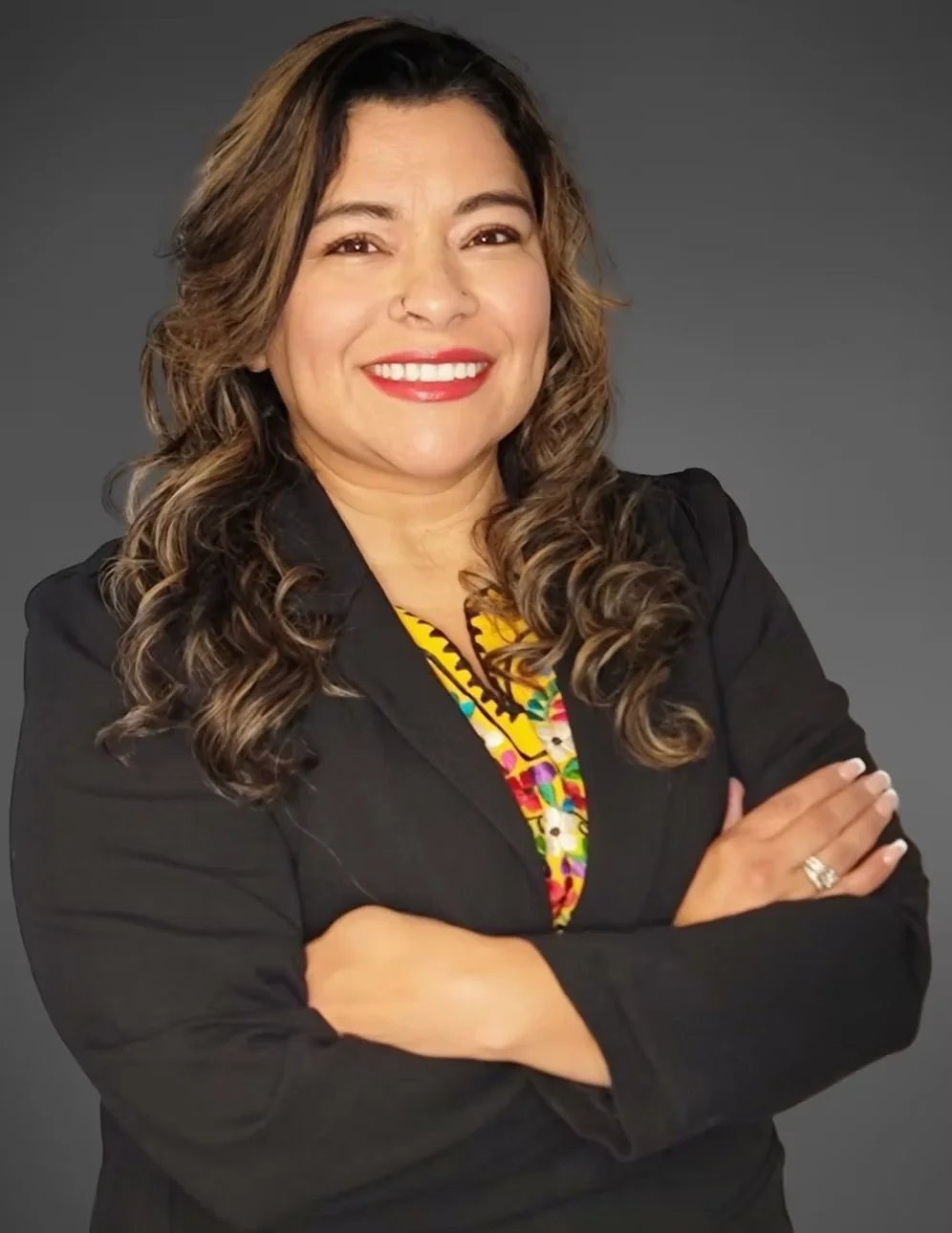
Susanna Ledesma-Woody
1. Long-term transportation vision
What is your long-term vision for transportation in Travis County? What actions could the Travis County Commissioner’s Court take to advance that vision?
My long-term vision for transportation in Travis County is a system that is safe, reliable, and equitable, where people can get to work, school, healthcare, and daily needs without spending hours in traffic or risking their safety. Achieving that vision requires moving beyond piecemeal fixes and toward a coordinated, countywide approach that addresses long-standing gaps—particularly in East Travis County.
A key part of that vision is strong, dependable mass transit paired with better east–west connections. Too many residents have limited access to transit options or must travel long distances just to reach major job centers. We need transit that connects people across the county—not just into downtown—and that includes frequent, reliable bus service, expanded routes, and first- and last-mile infrastructure so transit is a practical option for working families.
As a County Commissioner, I would focus on fixing the basics while planning for the future: safer roads, improved drainage and flood-resilient infrastructure, and the completion of long-delayed projects. At the same time, transportation planning must serve all users—drivers, transit riders, cyclists, pedestrians, students, seniors, and people with disabilities.
The Commissioners Court can advance this vision by:
Investing in mass transit and east–west corridors that better connect residents to jobs, schools, healthcare, and services
Partnering closely with CapMetro, cities, TxDOT, and neighboring counties to reduce fragmentation and deliver complete, connected corridors
Prioritizing safety-focused projects, including Vision Zero strategies, sidewalks, lighting, crossings, and protected infrastructure.
Directing funding toward historically under-invested and unincorporated areas, particularly east of I-35
Improving county planning and project delivery processes to reduce delays, increase accountability, and ensure projects are completed on time and on budget
Transportation is not just about moving cars—it’s about economic mobility, public safety, and quality of life. My goal is to ensure Travis County’s transportation investments create a connected system that works for everyone, regardless of where they live.
2. Roadway expansions & transportation investments
In the 2023 Travis County transportation bond, the majority of funding was allocated to roadway expansions. Rethink35 and other organizations, businesses, and leaders have opposed such expansions as merely encouraging more driving, doing little or nothing for congestion, and worsening pollution and safety. What are your views on roadway expansions? How should Travis County prioritize investments across roadway projects, public transit, active transportation (walking and biking) in future bonds?
Roadway expansions should not be treated as a default solution to congestion. Decades of evidence show that widening roads alone often leads to induced demand, increased vehicle miles traveled, and higher pollution without delivering long-term congestion relief. That said, not all roadway investments are the same. There is an important distinction between expansions meant to move more cars and projects that address safety, fix incomplete corridors, or correct long-standing infrastructure gaps.
In Travis County particularly in unincorporated and historically under-invested areas some roadway projects are necessary to improve safety, reduce flooding damage, and ensure people can access transit, schools, and emergency services. Those projects should be context-sensitive, paired with safety improvements, and designed to serve multiple users not just through-traffic.
Looking ahead, future transportation bonds should reflect a more balanced and outcomes-driven investment strategy. Travis County should:
Prioritize public transit, including frequent, reliable service and strong east–west connections that link residents to jobs, schools, and healthcare.
Invest meaningfully in active transportation, such as sidewalks, safe crossings, protected bike infrastructure, and trails—especially where people already walk and bike out of necessity.
Focus roadway funding on safety, maintenance, drainage, and completion of existing corridors, rather than large-scale capacity expansions that increase driving.
Evaluate projects based on clear metrics: safety outcomes, emissions reduction, equity, and real congestion relief, not just traffic throughput.
Coordinate investments with CapMetro, cities, and regional partners so roads, transit, and active transportation work as an integrated system.
The goal should not be to choose between roads and transit, but to invest smarter. Travis County’s transportation dollars should improve safety, expand mobility options, reduce emissions, and connect communities especially those that have been left behind rather than doubling down on strategies that no longer deliver the results our region needs.
3. Regional rail
What are your views on regional rail in Central Texas? How can Travis County improve access to public transit?
Regional rail has the potential to be an important part of Central Texas’s long-term transportation system, but it must be planned intentionally and integrated with local transit, land use, and first- and last-mile connections. Rail works best when it connects major job centers, educational institutions, and dense residential areas, and when service is frequent, reliable, and affordable. On its own, rail is not a silver bullet—but when done right, it can reduce congestion, expand mobility options, and support more sustainable growth.
Travis County can help improve access to public transit by focusing on connectivity and reliability, not just individual projects. That includes working closely with CapMetro and regional partners to expand frequent bus service, improve east–west routes, and ensure transit reaches communities that have historically had limited options—particularly in unincorporated areas and east of I-35.
4. How CAMPO can do better
The Capital Area Metropolitan Planning Organization (CAMPO) determines how federal transportation funds are allocated in the Austin region. Travis County is represented on CAMPO’s Transportation Policy Board by three County Commissioners and one additional county appointee. How should Travis County Commissioners use their roles on the CAMPO board to shape regional transportation outcomes? What changes, if any, would you support to CAMPO’s policies, processes, or governance structure?
Travis County Commissioners have a critical responsibility on the CAMPO Transportation Policy Board to ensure that regional transportation funding aligns with safety, equity, climate resilience, and real mobility outcomes, not just traffic throughput or legacy project lists. Commissioners should use their roles to advocate for investments that reflect how people actually move across the region and to elevate communities that have historically been underrepresented in regional decision-making.
On the CAMPO board, Travis County Commissioners should:
Push for funding decisions that prioritize safety, maintenance, public transit, and east–west connectivity, particularly in fast-growing and under-served areas.
Ensure regional plans support mode shift, including transit, walking, and biking, rather than reinforcing car-dependent growth patterns.
Advocate for projects that reduce emissions and household transportation costs, while improving access to jobs, schools, and healthcare.
Use the county’s voice to demand clear performance metrics, including safety outcomes, equity impacts, and environmental effects not just congestion modeling.
I would support changes to CAMPO’s policies and processes that increase transparency, accountability, and public trust. This includes:
Stronger and more meaningful public engagement, especially with communities most impacted by transportation decisions.
Updating project-selection criteria to better account for equity, climate impacts, and public health, not solely vehicle delay
Improving coordination between CAMPO, CapMetro, TxDOT, counties, and cities to reduce duplication and conflicting priorities
Exploring governance reforms that ensure balanced representation and prevent any single jurisdiction or agency from dominating outcomes
CAMPO has enormous influence over how federal dollars shape our region for decades. Travis County Commissioners should use their seats to move the region toward a transportation system that is safer, more equitable, and more sustainable—one that connects communities rather than dividing them.
5. How CTRMA should spend its toll revenues
The Central Texas Regional Mobility Authority (CTRMA) is an independent governmental tolling agency, operating in Travis and Williamson counties. While tolling revenues may be spent on any type of transportation project, to date, CTRMA’s investments have focused primarily on highway projects. How do you think CTRMA should spend its tolling revenues moving forward?
CTRMA plays a significant role in shaping transportation outcomes in Central Texas, and its tolling revenues should be used in ways that deliver clear public benefit, accountability, and real mobility improvements. While highway projects have dominated CTRMA’s investments to date, moving forward I believe toll revenues should be used more strategically to support a balanced, multimodal transportation system.
Tolling is a direct cost to residents, and those dollars should translate into safer, more affordable, and more accessible transportation options, not just additional highway capacity. CTRMA should prioritize investments that reduce congestion, improve safety, and expand mobility choices, particularly for communities that bear the greatest burden of toll costs.
Other Precinct 4 candidates
These candidates are yet to respond to our questionnaire.
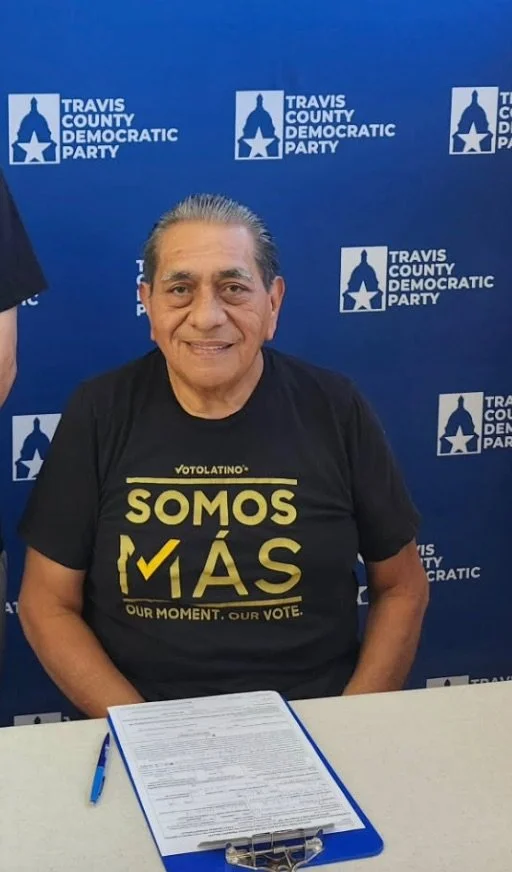
Gavino Fernandez Jr
Ofelia Maldonado Zapata