Texas State House primary election
Candidates’ views on regional transportation
February/March 2026
These are the candidates’ full answers to our questionnaire.
See here for a summary of candidates’ answers.
Jump to candidate
House district 49
Daniel Wang (D)
Gigs Hodges (D)
Josh Reyna (D)
Kathie Tovo (D)
Kimmie Ellison (D)
Robin Lerner (D)
Sam Slade (D)
Texas House District 49
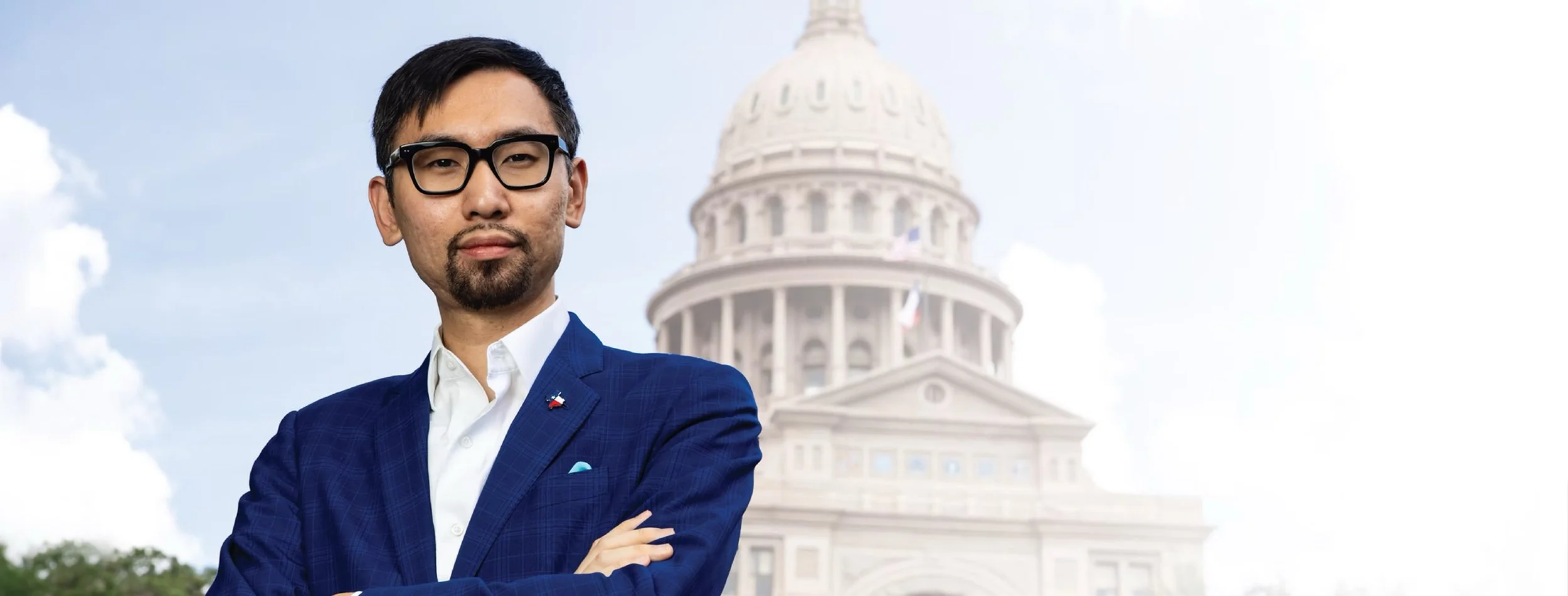
Daniel Wang
1. Removing restrictions on the State Highway Fund to allow more funding for transit & active transportation
Currently, 96% of the state’s transportation dollars are dedicated to roadway projects. Do you support removing restrictions on the state highway fund so that more money is available for multimodal transportation? What other ideas do you have for increasing state funding for public transit and active transportation?
Yes. Texas shouldn’t be locked into a roads-only funding model when our biggest transportation problems are congestion, safety, and affordability—all of which require more choices than just driving. I support removing restrictions that prevent state transportation dollars from being used for public transit, walking, biking, and safety projects. Where constitutional language limits flexibility, I would support the changes needed and help build the coalition to get it done. Beyond that, I want the state to create a reliable funding stream and matching program for transit and active transportation, similar to what we already do for highways, so local communities aren’t forced to shoulder the entire burden. I also support value-capture tools around major transit investments so that the growth transit creates can help pay for service, and I want state dollars to reward outcomes—ridership, reliability, safety, and reduced congestion—rather than simply rewarding new lane-miles.
2. How to address traffic deaths in Texas
In 2024, Texas recorded 4,150 traffic fatalities and 18,218 people sustained serious injuries. What would you do as a state representative to reduce traffic deaths in Texas?
The level of traffic deaths and serious injuries in Texas is unacceptable, and it’s not inevitable. As a state representative, I would push Texas toward a Safe System approach that treats serious crashes as a design and policy failure, not just a personal one. That means aligning TxDOT and state funding around saving lives first, and ensuring that state-funded projects design for everyone who uses the roadway, not just people in cars. I would prioritize funding for proven safety improvements like safer intersections, better crossings, traffic calming where appropriate, safer designs near schools and transit stops, improved lighting, and barriers and roadway upgrades on high-speed corridors that prevent the most deadly kinds of crashes. I also support smarter, data-driven enforcement focused on the most dangerous behaviors—impaired driving, extreme speeding, and distracted driving—paired with education and accountability measures that don’t devolve into over-policing. The goal is simple: fewer deaths, fewer catastrophic injuries, and streets that are safe enough that people feel comfortable walking, biking, and taking transit.
3. Views on highway expansions
Organizations across Texas have campaigned against highway expansions as destructive and ineffective. What is your position on highway expansions?
I’m skeptical of major highway expansions in growing metro areas because they often fail to deliver the results they promise. Adding lanes can briefly reduce congestion, but induced demand frequently fills that space back up while leaving communities with more pollution, more dangerous high-speed driving, and in many cases displacement or neighborhood damage. My priority is fix-it-first—maintaining and improving what we already have—because deferred maintenance is both expensive and unsafe. When expansions are proposed, I believe the state should require a serious alternatives analysis and a clear public benefit case that includes safety, emissions, cost, and community impacts, not just travel-time modeling. In Central Texas especially, the smarter long-term strategy is investing in high-capacity transit, safer walking and biking networks, and better land use and connectivity so we can move more people efficiently rather than trying to move more cars through the same constrained corridors.
4. How you would help bring regional rail to Texas
What will you do to support efforts to bring regional rail to Central Texas?I support bringing regional rail to Central Texas and expanding rail connections between major Texas cities.
Central Texas needs regional rail to keep up with growth, connect people to jobs, and give families real alternatives to endless congestion. As a state representative, I would support regional rail by making Texas a partner rather than an obstacle. That includes fighting for state matching dollars so Central Texas can compete for and fully leverage federal rail funding, protecting and preserving rail corridors and right-of-way before growth makes them prohibitively expensive, and supporting legislation that makes it easier for the region’s agencies and local governments to coordinate governance, planning, and funding across county lines. I also want the state to help with the hardest practical barriers, including coordination with freight railroads where necessary, and to prioritize integration so rail actually works for people—reliable feeder bus service, safe sidewalks and bike connections, and fare and schedule coordination so the system feels seamless. The point is to build a network that’s useful, frequent, and dependable enough that people choose it because it’s the best option, not the backup option.
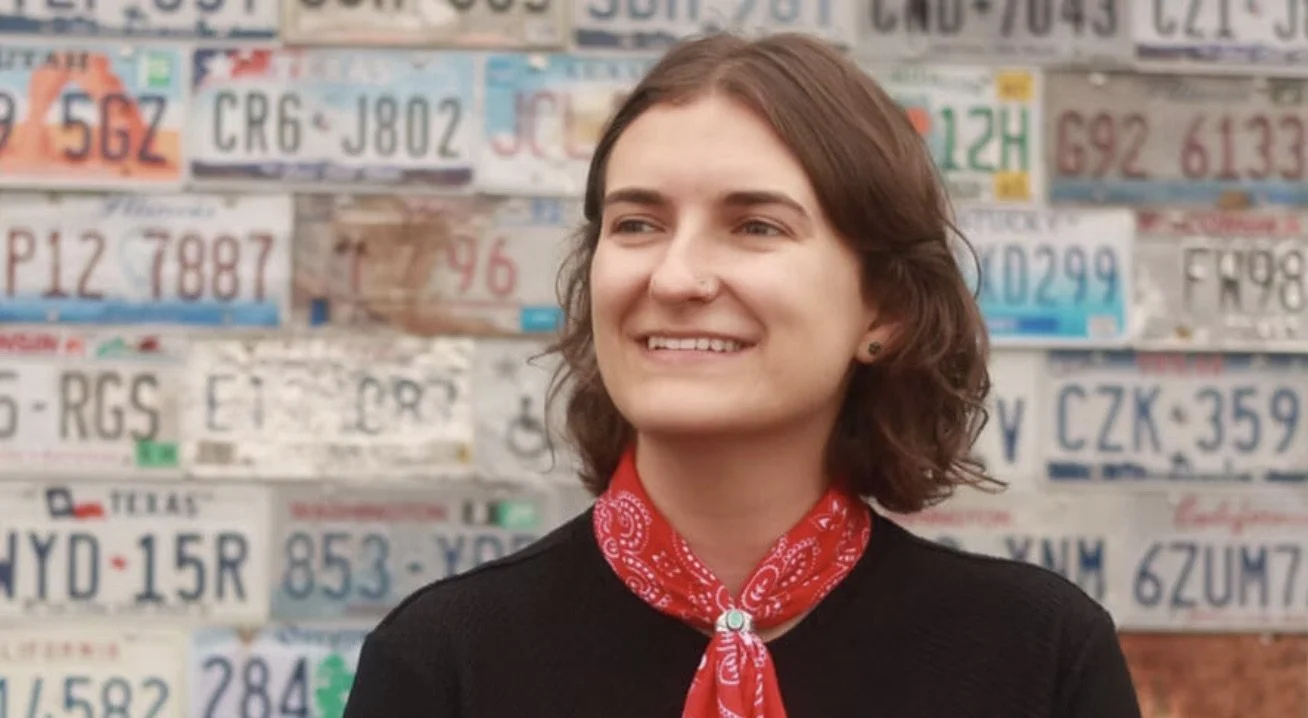
Gigs Hodges
1. Removing restrictions on the State Highway Fund to allow more funding for transit & active transportation
Currently, 96% of the state’s transportation dollars are dedicated to roadway projects. Do you support removing restrictions on the state highway fund so that more money is available for multimodal transportation? What other ideas do you have for increasing state funding for public transit and active transportation?
We should absolutely remove those restrictions. Real freedom means being able to get to work, school, medical appointments, and family without losing hours in traffic or spending half your paycheck on transportation.
Right now, our system is stacked in favor of highways, even when that doesn’t meet people’s real needs. We need to invest in public transit, intercity rail, and infrastructure that connects communities, creates good jobs, and lowers transportation costs across Texas.
As a legislator, I will work directly with the appropriations subcommittee to push for clear budget riders that allow more funding for transit and active transportation. I will also partner with local leaders and advocates to make sure those riders are strong, enforceable, and centered on riders’ needs.
I’ve seen firsthand how TxDOT prioritizes roads over people. In its last budget request, nearly 90% went to highways, while only about 2% went to public transit, rail, aviation, and maritime combined. We could triple transit funding with only a small reduction in highway spending, and it would make a real difference in people’s lives. I will fight to rebalance those priorities in the 2027–2028 budget.
2. How to address traffic deaths in Texas
In 2024, Texas recorded 4,150 traffic fatalities and 18,218 people sustained serious injuries. What would you do as a state representative to reduce traffic deaths in Texas?
Traffic deaths are not inevitable. They are the result of policy choices that prioritize speed and expansion over human life.
As a state representative, I will push for a Safe Systems approach that treats every traffic death as preventable. That means designing streets where mistakes don’t cost lives. It means safer intersections, better lighting, protected bike lanes, and slower speeds in neighborhoods where people live, walk, and work.
I will fight for more funding for pedestrian and cyclist infrastructure, especially in communities that have been cut off or overburdened by dangerous roads. I will also push for stronger transparency from TxDOT so lawmakers and the public can clearly see where crashes are happening and how money is being spent to prevent them.
Saving lives should be the top measure of success for our transportation system, not how fast cars can move.
3. Views on highway expansions
Organizations across Texas have campaigned against highway expansions as destructive and ineffective. What is your position on highway expansions?
I do not believe pouring more money into endless expansions is a serious solution to congestion or mobility.
Instead, we should invest in what actually works: reliable public transit, rail, and safe options for walking and biking. These investments move more people, cost less in the long run, and give families real choices about how they get around.
As a legislator, I will oppose expansion projects that put cars over people and push for transportation investments that support public health, climate resilience, and economic opportunity.
4. How you would help bring regional rail to Texas
What will you do to support efforts to bring regional rail to Central Texas?I support bringing regional rail to Central Texas and expanding rail connections between major Texas cities.
Regional rail is essential to the future of Central Texas. Our region is growing fast, and we cannot keep relying almost entirely on highways and cars.
If we don’t invest in rail now, we are locking ourselves into worse traffic, higher costs, and fewer opportunities for working families.
As a state representative, I will actively fight for state funding for regional rail, remove legislative barriers, and work closely with local governments and transit agencies to move projects forward.
That means supporting budget riders that allow state dollars to be used for rail planning, construction, and operations. It also means pushing TxDOT to be a real partner instead of an obstacle.
Regional rail connects people to jobs, schools, healthcare, and housing. It reduces congestion and pollution and strengthens our regional economy. I will use my position to make sure Central Texas gets the transportation system it deserves, not the one it’s been stuck with.
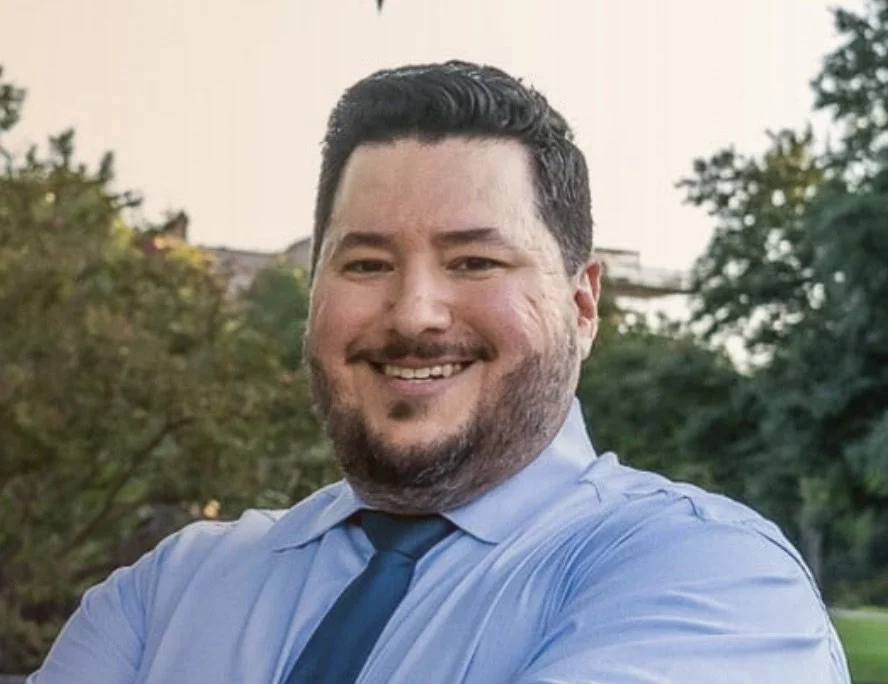
Josh Reyna
1. Removing restrictions on the State Highway Fund to allow more funding for transit & active transportation
Currently, 96% of the state’s transportation dollars are dedicated to roadway projects. Do you support removing restrictions on the state highway fund so that more money is available for multimodal transportation? What other ideas do you have for increasing state funding for public transit and active transportation?
Yes. Texas cannot solve 21st-century transportation challenges with a funding structure built for the 20th century. When 96% of dollars are locked into roadways, we are artificially limiting our ability to address congestion, affordability, and safety. I love the hike and bike trails of Austin, and I support modernizing the State Highway Fund so more dollars can be used for multimodal transportation; including transit, sidewalks, bike infrastructure, and last-mile connections. If we want families to have real freedom in how they move around, we need to fund more than just highways. I also included in my 'come and build it' housing platform that we need to make it easier to pair housing reforms (like smaller lots and by-right multifamily near transit) with transportation investments so we reduce traffic by design, not just by widening roads.
2. How to address traffic deaths in Texas
In 2024, Texas recorded 4,150 traffic fatalities and 18,218 people sustained serious injuries. What would you do as a state representative to reduce traffic deaths in Texas?
I-35 is at the dangerous epicenter of a lot of the traffic fatalities in Texas. We must adopt a clear “safety first” approach to transportation policy. That means prioritizing human life over vehicle speed and measuring success by reductions in serious injuries and fatalities. As a state representative, I would: Invest in protected bike lanes, pedestrian islands, safer intersections, and traffic-calming designs, expand Safe Routes to School so kids can walk or bike safely – as a new father, I'm passionate about this one, and especially in the State legislature I would ensure cities have the flexibility to implement proven safety measures without unnecessary state preemption.
3. Views on highway expansions
Organizations across Texas have campaigned against highway expansions as destructive and ineffective. What is your position on highway expansions?
For most of my life I’ve lived in Austin, starting at St. Edwards university, then UT Law, and now raising my son in the heart of HD49. Over that time I’ve seen Austin grow fast, and I know that we can’t solve 21st-century transportation challenges with 20th-century solutions. I support TxDOT’s recognition that we need to invest beyond road-building, and I’ll be a strong advocate for transit and active multi-modal transportation in Central Texas. I’ll also fight for safe sidewalks, bike infrastructure, and last-mile connections so people can actually get to transit, schools, and jobs without risking their lives. Transportation is about freedom - freedom to get where you need to go safely and affordably - and our investments should reflect that.
4. How you would help bring regional rail to Texas
What will you do to support efforts to bring regional rail to Central Texas?I support bringing regional rail to Central Texas and expanding rail connections between major Texas cities.
Regional rail is critical to Central Texas’ future. Our region is growing rapidly, and without high-capacity transit, congestion and housing costs will continue to climb together. As a state representative, I will: advocate for state funding partnerships to support regional rail and protect investments like Project Connect, ensure state law supports transit-oriented development so rail stations are surrounded by housing people can actually afford, and remove unnecessary state-level barriers that slow or complicate rail development.
We must also support city and county development to align housing reform and transportation planning so rail corridors are paired with by-right multifamily, smaller lots, and mixed-use development. I’ve spent 16 years working in and around the Legislature, including helping pass pro-housing reforms like SB15. I understand how state policy can either enable or block smart growth. My goal is simple: build a transportation system that gives families options — options to live closer to work, to ride transit safely, to walk to school, and to spend less time stuck in traffic and more time at home.
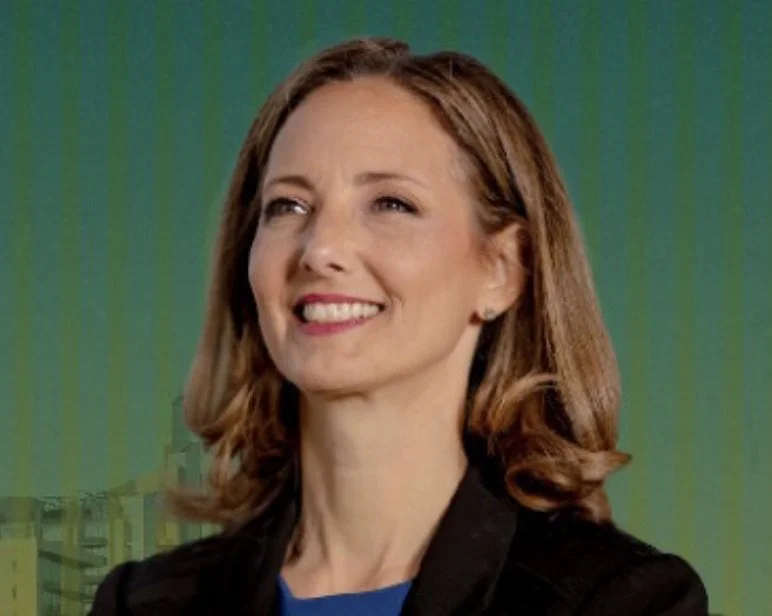
Kathie Tovo
1. Removing restrictions on the State Highway Fund to allow more funding for transit & active transportation
Currently, 96% of the state’s transportation dollars are dedicated to roadway projects. Do you support removing restrictions on the state highway fund so that more money is available for multimodal transportation? What other ideas do you have for increasing state funding for public transit and active transportation?
Yes. I support removing such restrictions.
I am encouraged that the Texas Department of Transportation is finally acknowledging the importance of multi-modal transportation and has set forth statewide strategic plans that align with this perspective. I support public investments in transit and active transportation, and I'm the only candidate who can point to a track record of doing so: As Mayor Pro Tem and an Austin City Council Member, I supported Austin's long-term goal of having 50% or fewer of Austinites driving alone to work by 2039, and I voted for historic city investments in sidewalks, bicycle lanes, and public transit in service of meeting this goal. While I can't yet offer well-vetted specific proposals for increased funding, I would welcome suggestions from advocates and experts.
2. How to address traffic deaths in Texas
In 2024, Texas recorded 4,150 traffic fatalities and 18,218 people sustained serious injuries. What would you do as a state representative to reduce traffic deaths in Texas?
As the only candidate in this crowded race who has served as a policymaker, I have had the opportunity not just to learn about and support Vision Zero, but to fund effective strategies to achieve the plan's goals. The strategies Austin has embraced to reduce traffic deaths and injuries would benefit cities and towns across the state, and Texas should provide more education around this issue and (financially) incentivize such programs. As a State Representative, I would support such initiatives.
3. Views on highway expansions
Organizations across Texas have campaigned against highway expansions as destructive and ineffective. What is your position on highway expansions?
Opposed. To my knowledge, no other candidate in this race has previously been involved in this issue. In contrast, as a Council Member and as a community member, I stood in opposition to the I-35 expansion —at rallies and a press conference, as a party to the Civil Rights lawsuit, and in conversations with state and federal officials. Research suggests that adding lanes to highways does not alleviate traffic in a meaningful way because such expansions usually result in more cars flocking to those route. And more cars on a highway such as I-35 increases pollution, noise, and other nuisances.
When expansions cannot be halted, the state must support programs and investments that can reduce greenhouse gas emissions and improve air quality—not only to address climate change, but also as a human health concern for communities adjacent to such highways.
Some examples of my past advocacy:
"Austin City Council Members Express Reservations About I-35 Expansion," KUT, 1 September 2021.
"'No wider, no higher': Opposition heats up to TxDOT's Austin I-35 expansion plan," Austin American-Statesman, September 2021.
"Rethink35 sues TxDOT over I-35 expansion plans," The Daily Texan, 29 January 2024.
"Interstate 35 expansion project impacts businesses, homeowners," CBS Austin, 3 February 2024.
4. How you would help bring regional rail to Texas
What will you do to support efforts to bring regional rail to Central Texas?I support bringing regional rail to Central Texas and expanding rail connections between major Texas cities.
Stay engaged in ongoing local conversations, support increased funding, and fend off legislative attacks.
I am the only candidate in this race who has been deeply involved with the issues of transit and transportation addressed in this questionnaire. I am well-prepared to participate as appropriate in local conversations about how to expand CapMetro's Red Line and/or add additional regional lines as well as in the ongoing explorations related to train service between Austin and other major Texas cities—and to support state actions to help facilitate these efforts.
Relatedly, I have and will continue to support Project Connect, including supporting the majority will of voters who approved the tax rate election to fund the system. I served on the City Council that brought Project Connect to the voters and then -- working with other elected officials and community members -- hammered out the agreements that became the Austin Transit Partnership.
If elected, I will support opportunities for state and additional federal funding for Project Connect. And as we can almost guarantee will be necessary, I will use my 11+-years of policy-making experience to fend off the inevitable legislative attempts to halt Project Connect and/or the funding mechanism.
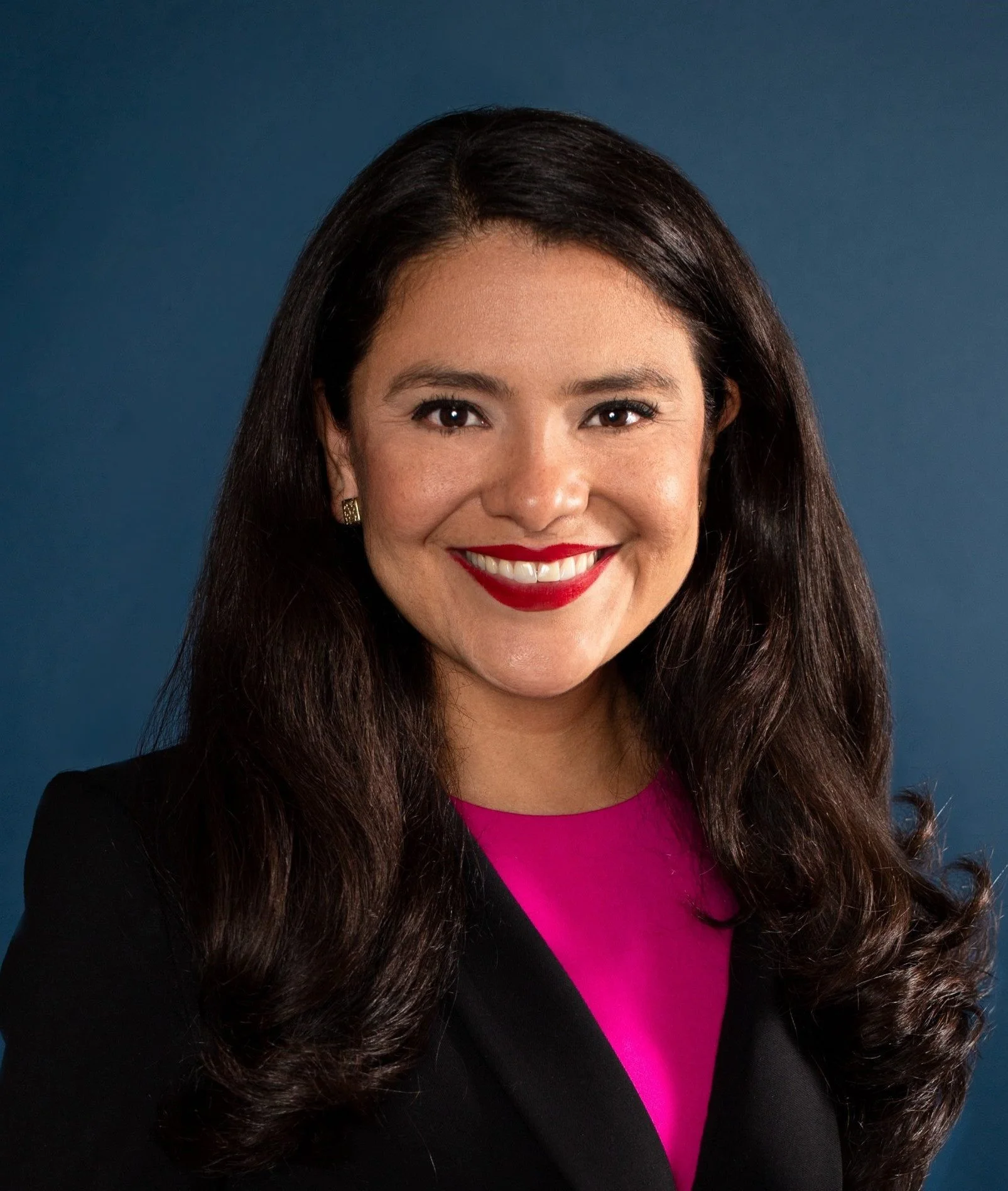
Montserrat Garibay
1. Removing restrictions on the State Highway Fund to allow more funding for transit & active transportation
Currently, 96% of the state’s transportation dollars are dedicated to roadway projects. Do you support removing restrictions on the state highway fund so that more money is available for multimodal transportation?
I support removing these restrictions as well as removing the prohibition on the use of state funds on high speed rail. That being said, there is not enough funding in the State Highway Fund to meet the needs of the state, and as such, we must look at creating new funding mechanisms that are dedicated to transit and multimodalities. I would support creating a dedicated fund through constitutional amendment as well as looking at how to expand existing programs and implement additional grants for local communities to increase connectivity and transportation. By doing so, we can ensure that Texans have safe, affordable, and accessible ways to get around; reduce traffic and increase safety; and create more connected, resilient communities.
2. How to address traffic deaths in Texas
In 2024, Texas recorded 4,150 traffic fatalities and 18,218 people sustained serious injuries. What would you do as a state representative to reduce traffic deaths in Texas?
The most important thing to do to reduce traffic deaths is get cars off the road by investing in robust public transit so that Texans have options. Similarly, we should adopt a Vision Zero framework and complete street standards as well as explore how funding can be tied to safety outcomes. The state must do a better job protecting the vulnerable by investing in safe paths to schools and sidewalk connectivity, ensuring that new projects meet ADA accessibility standards, and reviewing the role of road design in incidents. Additionally, we must address speed, dangerous driving, and road design. We should allow cities to implement lower speed limits and support investment in traffic calming. At the same time we must continue to expand safe driving education programs and consider implementing tough penalties for reckless driving.
3. Views on highway expansions
Organizations across Texas have campaigned against highway expansions as destructive and ineffective. What is your position on highway expansions?
We must move beyond a road-only approach and invest in public transit, including regional and high speed rail, and expand multimodal infrastructure such as sidewalks, protected bike lanes, and safe routes to schools. To be clear-eyed, with laws and policies such as a prohibition on the use of state funds for high speed rail, and funding mechanisms that prioritize roads exclusively, it will not be easy to do. However, TxDOT’s acknowledgement of transportation needs in the first-ever Active Transportation Plan is encouraging and should be leveraged to push for better policy and budget decisions.
4. How you would help bring regional rail to Texas
What will you do to support efforts to bring regional rail to Central Texas?
When I moved to Washington, DC to work at the Department of Education under the Biden-Harris administration, I sold my car and relied on buses, rail, and my bike to get around. Across HD 49–whether knocking on doors, hosting meet and greets, or during listening sessions–I consistently hear from voters that traffic, a roads-only planning approach, and inadequate public transit are major concerns.
I strongly support developing a regional rail system in Central Texas, as well as high-speed rail to connect major parts of the state. As an organizer, I will work to build coalitions among local governments, advocacy groups, and community members to advance equitable, sustainable transportation policies. I also believe it is critical to engage members of the business community who have expressed interest in rail to build bipartisan support in the Legislature and with state leadership.
To make regional rail a reality, we must identify and secure dedicated funding streams, expand the state’s role in multimodal transportation, and push TxDOT to be a constructive partner. As part of that, I believe it will be important to leverage existing right-of-way, land, and public resources to minimize the need for eminent domain and reduce community impacts.
Other HD 49 candidates
These candidates are yet to respond to our questionnaire.
Kimmie Ellison
Robin Lerner
Sam Slade
Texas House District 50
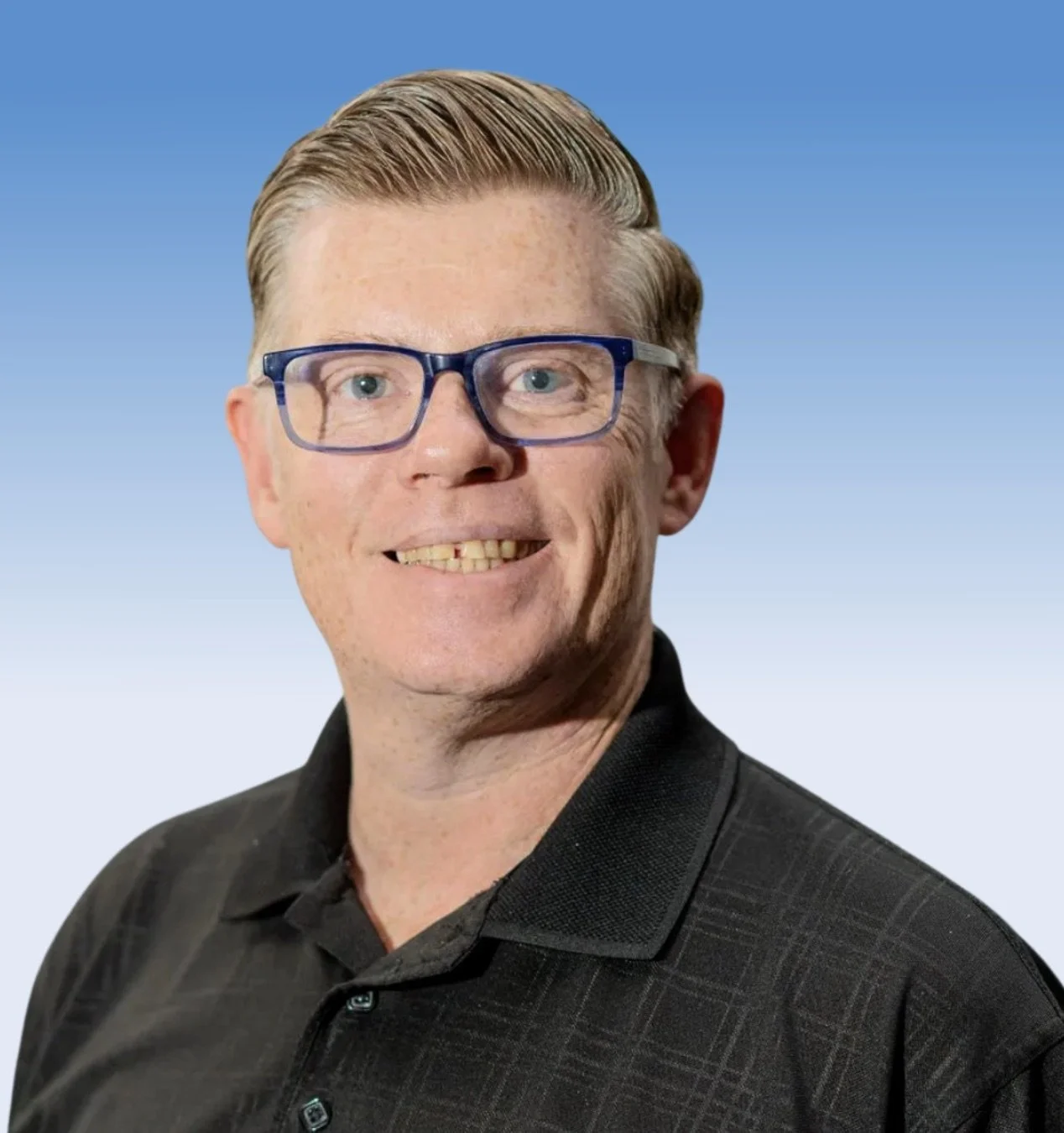
Jeremy Hendricks
1. Removing restrictions on the State Highway Fund to allow more funding for transit & active transportation
Currently, 96% of the state’s transportation dollars are dedicated to roadway projects. Do you support removing restrictions on the state highway fund so that more money is available for multimodal transportation?
Yes, I support removing restrictions on the state highway fund so Texas can invest more in multimodal transportation. Our current funding structure is outdated and overly focused on expanding roadways instead of building a balanced, efficient system. We need to give cities and regions the flexibility to invest in public transit, sidewalks, bike infrastructure, and other options that reduce congestion and improve safety.
I also support increasing state funding for transit through dedicated revenue streams, expanding the use of transportation reinvestment zones, and ensuring that major state transportation projects include meaningful multimodal components. Texas should be investing in a modern, climate‑resilient transportation network that gives people real choices in how they move around their communities.
2. How to address traffic deaths in Texas
In 2024, Texas recorded 4,150 traffic fatalities and 18,218 people sustained serious injuries. What would you do as a state representative to reduce traffic deaths in Texas?
Reducing traffic deaths requires a comprehensive, data‑driven approach. As a state representative, I would support investments in safer roadway design, expanded multimodal options, and stronger enforcement of proven safety measures. That includes funding for protected bike lanes, better sidewalks, improved lighting, and transit options that reduce the number of cars on the road. I would also push for statewide adoption of Vision Zero principles, prioritize high‑injury corridors for safety upgrades, and ensure TxDOT incorporates safety and community impact into every major project. Our goal should be a transportation system where every Texan can move safely, whether they drive, walk, bike, or take transit.
3. Views on highway expansions
Organizations across Texas have campaigned against highway expansions as destructive and ineffective. What is your position on highway expansions?
Texas is a fast‑growing state, and we are already behind on the infrastructure needed to keep people and goods moving. I do not support a blanket pause on highway projects, because many are already underway and thousands of workers rely on them to support their families. Halting everything mid‑stream would create more harm than good for our communities.
At the same time, I’ve spent years fighting for a better, more balanced transportation system. I helped pass Project Connect and helped found Transit Forward to promote and protect transit in Austin. I am fully committed to building a multimodal future — including regional rail, light rail, expanded bus service, and safer options for walking and biking — so Texans have real choices in how they move around.
We need to reassess our long‑term needs and adopt a comprehensive, forward‑looking approach that balances necessary roadway improvements with strong investments in modern, efficient, people‑centered mobility. That’s how we build a transportation system that actually works for everyone.
4. How you would help bring regional rail to Texas
What will you do to support efforts to bring regional rail to Central Texas?
I strongly support bringing regional rail to Central Texas, and I’ve been actively involved in the movement to make it a reality. Transit Forward — the organization I helped found — has consistently championed regional rail as a key part of a modern, multimodal transportation system. I’ve also stood with leaders like Judge Andy Brown in support of regional rail because we know it’s essential for reducing congestion, improving air quality, and connecting people to jobs, schools, and opportunity.
As a state representative, I would work to secure dedicated funding, remove legislative barriers, and ensure TxDOT and regional partners prioritize rail as part of a comprehensive mobility strategy. I would also advocate for land‑use policies that support transit-oriented development and push for transparent, community‑driven planning. Central Texas deserves a reliable, efficient rail network, and I’m committed to helping deliver it.
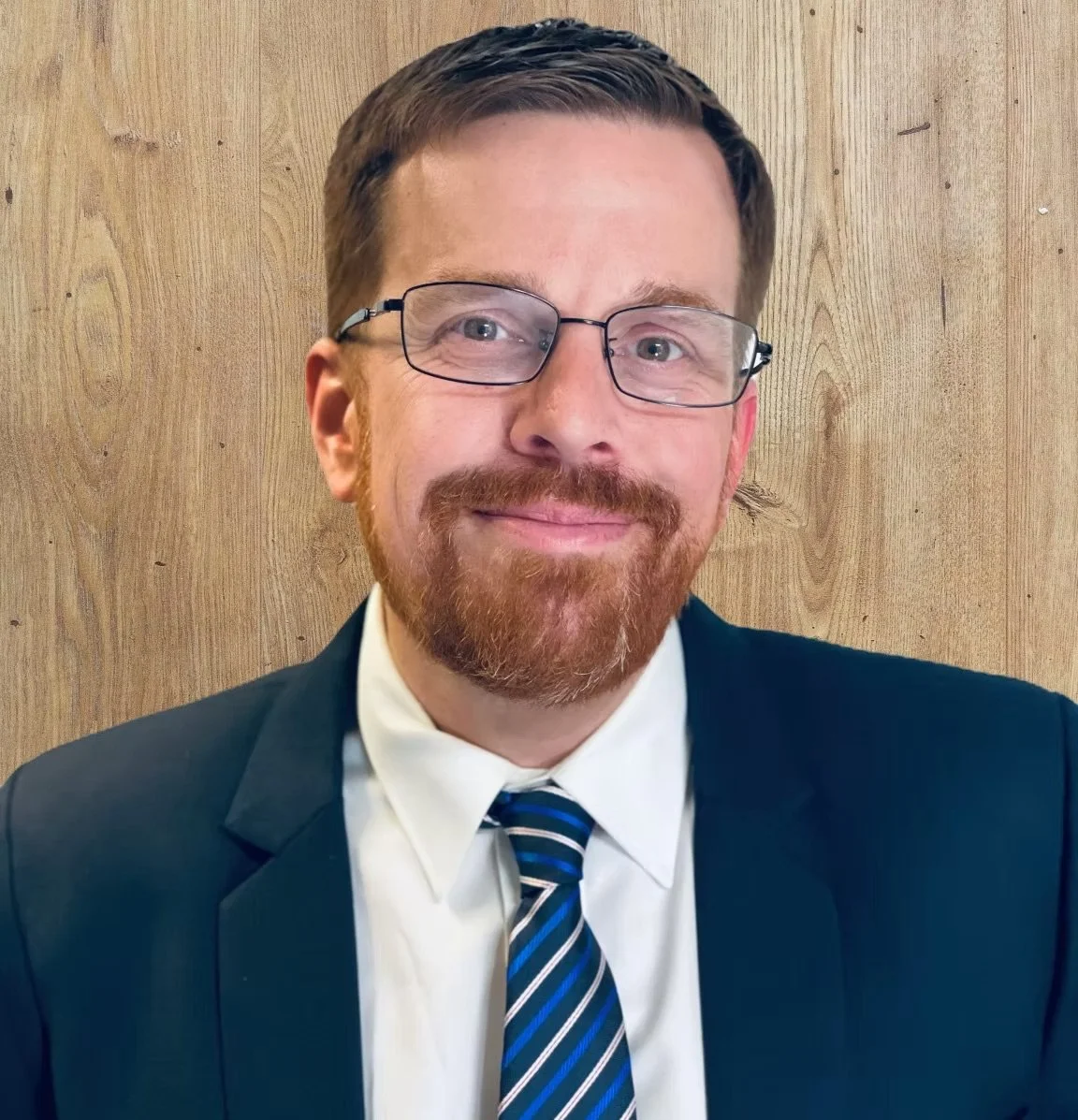
Nathan Boynton
1. Removing restrictions on the State Highway Fund to allow more funding for transit & active transportation
Currently, 96% of the state’s transportation dollars are dedicated to roadway projects. Do you support removing restrictions on the state highway fund so that more money is available for multimodal transportation? What other ideas do you have for increasing state funding for public transit and active transportation?
Yes. I support removing restrictions on the state highway fund so transportation dollars can be used more flexibly for multimodal projects, including public transit, biking, and walking infrastructure. Texas cannot solve congestion or growth challenges by road expansion alone.
In addition, I support creating dedicated, recurring funding for public transit and active transportation, allowing TxDOT and local governments to invest in transit operations as well as capital projects, and better aligning state transportation funding with housing and land use planning. Investing in multimodal options improves access to jobs, reduces congestion, lowers transportation costs for families, and creates a more sustainable and equitable transportation system for all Texans.
2. How to address traffic deaths in Texas
In 2024, Texas recorded 4,150 traffic fatalities and 18,218 people sustained serious injuries. What would you do as a state representative to reduce traffic deaths in Texas?
As a state representative, I would focus on a comprehensive safety first approach to transportation. That includes investing in safer street design, expanding public transit and active transportation options, and prioritizing projects that reduce high speed conflicts rather than encourage faster driving. I support data driven strategies like Vision Zero, better lighting and crosswalks, safer intersections, and traffic calming in high injury corridors. Reducing car dependence by giving people safe alternatives to driving is also critical to lowering traffic deaths and serious injuries across Texas.
3. Views on highway expansions
Organizations across Texas have campaigned against highway expansions as destructive and ineffective. What is your position on highway expansions?
I believe highway expansions should be approached with caution and evaluated honestly. In many cases, widening highways has proven costly, disruptive to communities, and ineffective at reducing long-term congestion due to induced demand. I support prioritizing maintenance, safety improvements, and investments in public transit and active transportation before expanding highways. Any proposed expansion should be carefully assessed for its impacts on neighborhoods, affordability, the environment, and whether it truly improves mobility rather than simply encouraging more driving.
4. How you would help bring regional rail to Texas
What will you do to support efforts to bring regional rail to Central Texas?
I will support efforts to bring regional rail to Central Texas by advocating for dedicated state funding for transit and supporting policies that give communities and regional partners the flexibility to plan and build rail projects. I believe regional rail is critical to connecting people to jobs, reducing congestion, and supporting sustainable growth, and I would work to ensure transit investments are treated as essential infrastructure alongside roads.
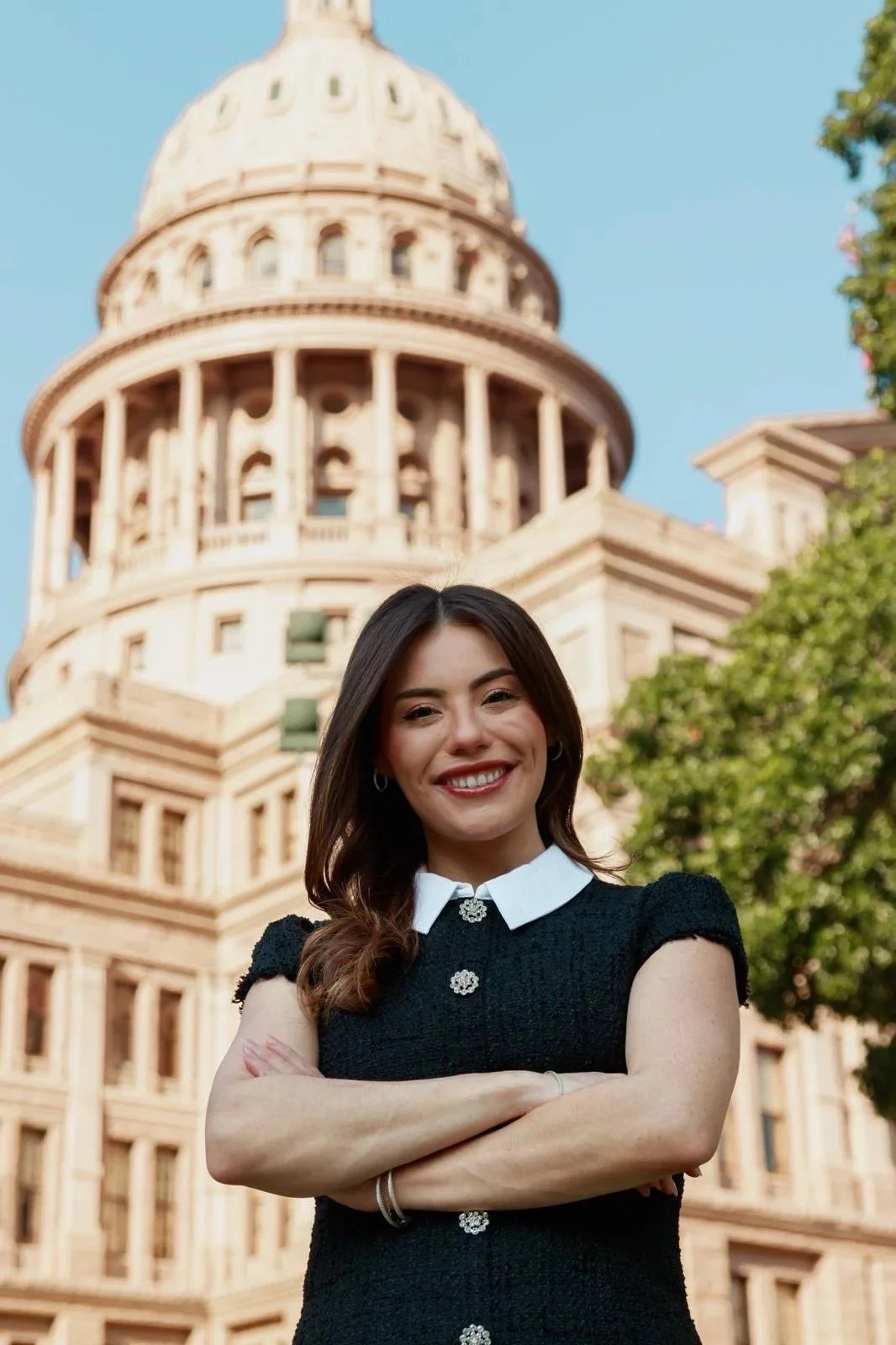
Samantha Lopez-Resendez
1. Removing restrictions on the State Highway Fund to allow more funding for transit & active transportation
Currently, 96% of the state’s transportation dollars are dedicated to roadway projects. Do you support removing restrictions on the state highway fund so that more money is available for multimodal transportation? What other ideas do you have for increasing state funding for public transit and active transportation?
I support removing restrictions on the state highway fund so Texas can invest in transportation solutions that reflect how people actually live and move today. Highways like I-35 were built through communities of color, dividing neighborhoods and prioritizing car traffic over people, and decades later we continue to see the consequences in displacement, pollution, and safety risks, including I-35’s role as a major human trafficking corridor. As part of Representative Donna Howard’s team for seven years, including four as her Chief of Staff, I have been directly involved at the staff level in ongoing conversations about the funding needs and long-term success of Project Connect. I’ve seen how critical sustained state investment is for public transit to succeed. Expanding highways has not solved congestion or safety challenges, and it will not meet Central Texas’s future needs. We must invest in multimodal transportation, including transit, biking, and walking infrastructure, and align those investments with housing and land use decisions to build safer, more connected, and more equitable communities.
2. How to address traffic deaths in Texas
In 2024, Texas recorded 4,150 traffic fatalities and 18,218 people sustained serious injuries. What would you do as a state representative to reduce traffic deaths in Texas?
Traffic deaths are preventable, and Texas should be treating them as a public safety crisis. I support a Vision Zero approach, which recognizes that no loss of life is acceptable and that streets should be designed to account for human error. During my seven years working in the legislature I saw how state transportation policy consistently prioritizes highway expansion over safety. That approach has failed. We need to redirect state dollars toward safer street design, redesigning high-injury corridors, and significantly expanding public transit so people are not forced to rely on cars for every trip. Investments in transit like Project Connect reduce congestion, lower crash rates, and create safer, more accessible communities. TxDOT must be held accountable for funding transportation projects that save lives, not just move vehicles faster.
3. Views on highway expansions
Organizations across Texas have campaigned against highway expansions as destructive and ineffective. What is your position on highway expansions?
I oppose continued highway expansion as a default transportation strategy because it has repeatedly proven to be ineffective and harmful. Expanding highways increases traffic, displaces communities, and makes our roads more dangerous without solving congestion. I’ve seen through my work in the Legislature that these projects consume enormous public resources while starving transit, safety, and maintenance funding. Texas needs to shift away from expansion projects and toward investments in public transit, safer streets, and infrastructure that actually improves mobility, safety, and quality of life.
4. How you would help bring regional rail to Texas
What will you do to support efforts to bring regional rail to Central Texas?
I strongly support bringing regional rail to Central Texas because our region’s growth requires transportation systems that are connected, reliable, and not centered on driving alone. Regional rail creates true interoperability with local transit investments like Project Connect and gives people real options to access jobs, schools, and services without relying on I-35. It is also a critical housing affordability strategy, allowing people to live in communities they can afford while staying connected to employment centers. Regional rail supports a diverse workforce, reduces emissions, and strengthens economic resilience. As a state representative, I would push for sustained state investment, cross-regional coordination, and policies that prioritize transit over highway expansion to ensure Central Texas can grow safely and equitably.
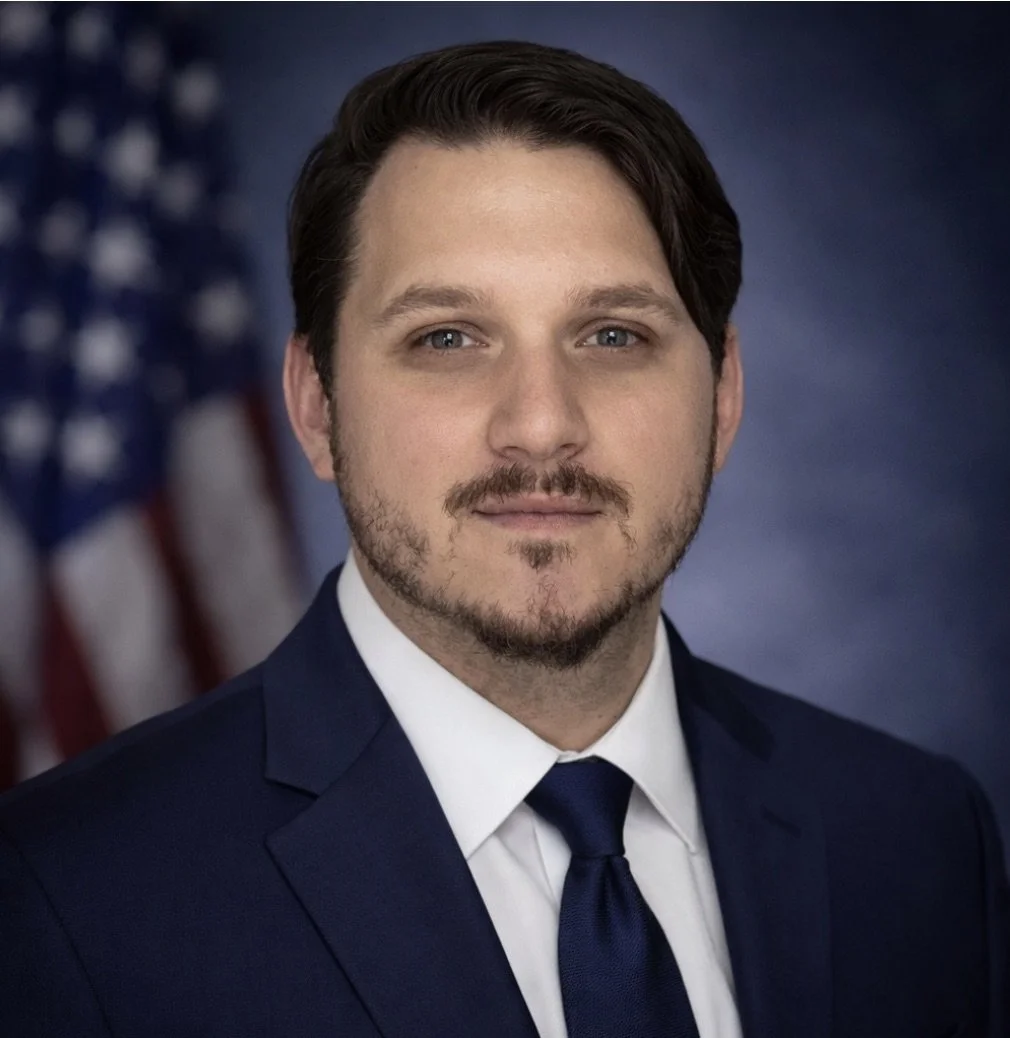
William Rannefeld
1. Removing restrictions on the State Highway Fund to allow more funding for transit & active transportation
Currently, 96% of the state’s transportation dollars are dedicated to roadway projects. Do you support removing restrictions on the state highway fund so that more money is available for multimodal transportation? What other ideas do you have for increasing state funding for public transit and active transportation?
I do not believe we need to remove existing restrictions to move forward. Texas currently has a significant budget surplus that can be used to invest in new transportation projects.
We can fund public transit, sidewalks, bike infrastructure, and other mobility options using surplus dollars without taking money away from roads. This should not be framed as cars versus transit. It is about using the resources we already have to give people more options, reduce congestion, and keep Central Texas affordable.
2. How to address traffic deaths in Texas
In 2024, Texas recorded 4,150 traffic fatalities and 18,218 people sustained serious injuries. What would you do as a state representative to reduce traffic deaths in Texas?
I would support legislation that requires TxDOT to prioritize and fund safety improvements on the highest-injury corridors first, based on crash data. State dollars should go first to fixing the roads where people are most likely to be killed or seriously injured, using proven safety designs.
3. Views on highway expansions
Organizations across Texas have campaigned against highway expansions as destructive and ineffective. What is your position on highway expansions?
Texas is a growing state, and in some cases highway expansions are necessary.
What I do not support is selling out the public to toll road operators. Texans already pay for our roads through taxes and fees. Turning essential infrastructure into permanent toll roads is wrong. When highways need to be expanded, they should remain publicly owned, toll free, and accountable to the people who pay for them. No more toll roads.
4. How you would help bring regional rail to Texas
What will you do to support efforts to bring regional rail to Central Texas?
I support bringing regional rail to Central Texas and expanding rail connections between major Texas cities.
As a state representative, I would support the authority, funding, and partnerships needed to move rail projects forward and make sure they are accessible and affordable for everyday Texans. Rail should be treated as essential infrastructure, not a political talking point.
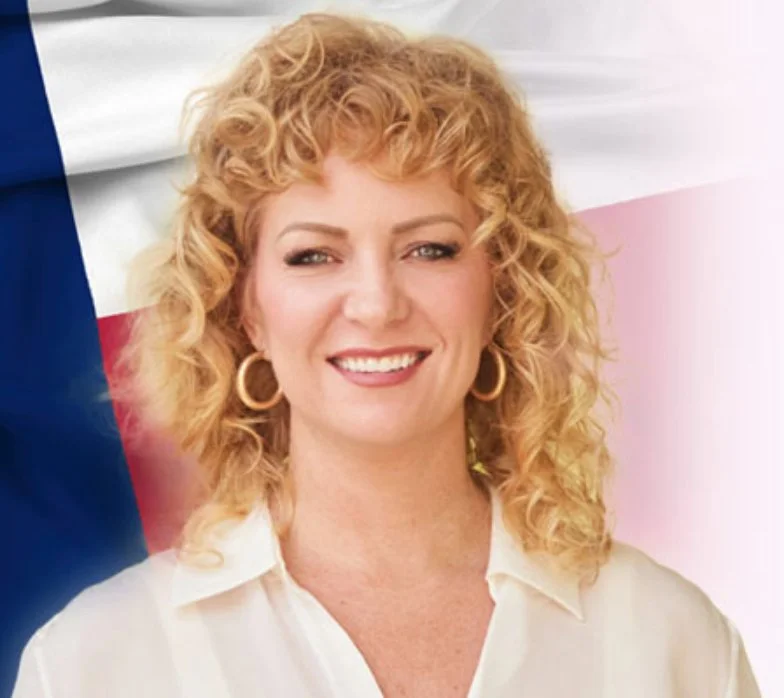
Kate Lincoln-Goldfinch
1. Removing restrictions on the State Highway Fund to allow more funding for transit & active transportation
Currently, 96% of the state’s transportation dollars are dedicated to roadway projects. Do you support removing restrictions on the state highway fund so that more money is available for multimodal transportation? What other ideas do you have for increasing state funding for public transit and active transportation?
Yes. I support removing restrictions on the state highway fund so Texas can invest more fully in multimodal transportation. Our current funding structure reflects outdated priorities and leaves cities like Austin without the flexibility they need to build transportation systems that actually work for people.
If we are serious about reducing congestion, improving safety, and giving people real choices, the state must allow transportation dollars to support public transit, walking, biking, and other active transportation options, not just highways. This includes enabling more state investment in projects like Project Connect and protecting local transit funding from state interference.
Beyond reforming the highway fund, I support creating dedicated state funding streams for transit and active transportation, expanding grant programs for local and regional projects, and better aligning transportation funding with land use and housing policy. Transportation is more affordable when people can live near jobs and services and safely get around without a car.
Mobility should be about moving people, not just vehicles. As a state representative, I will work to modernize Texas’s transportation funding so it reflects how people actually live and move today, and so communities like Austin have the tools they need to build a safer, more humane, and more equitable transportation system.
2. How to address traffic deaths in Texas
In 2024, Texas recorded 4,150 traffic fatalities and 18,218 people sustained serious injuries. What would you do as a state representative to reduce traffic deaths in Texas?
Traffic deaths are not inevitable. They are the result of design and policy choices, and Texas can choose differently.
As a state representative, I would push for a shift toward a Safe Systems approach that prioritizes saving lives over moving cars faster. That means supporting roadway designs that slow traffic where people live, work, and walk, including narrower lanes, safer crossings, protected bike lanes, and better lighting. It also means tying state transportation funding to safety outcomes, not just lane miles built.
I would support lowering speed limits where appropriate, expanding automated and fair traffic safety enforcement, and investing in data-driven crash analysis so we fix the most dangerous roads first. I also believe we must fully fund pedestrian, bicycle, and transit infrastructure, because roads designed only for cars are inherently less safe for everyone.
Reducing traffic deaths requires treating safety as a core responsibility of the state. I will advocate for policies that value human life first and hold our transportation system accountable for protecting it.
3. Views on highway expansions
Organizations across Texas have campaigned against highway expansions as destructive and ineffective. What is your position on highway expansions?
Highway expansions have largely failed to deliver on their promises. In many cases, they increase traffic through induced demand, worsen air pollution, divide neighborhoods, and make our communities less safe, while doing little to solve congestion long term.
I am skeptical of highway expansion as a default solution and believe the state must stop treating it as the primary answer to growth. Instead, transportation investments should be evaluated based on outcomes like safety, equity, climate impact, and whether they actually reduce congestion and improve quality of life.
That doesn’t mean ignoring maintenance or safety needs. We must prioritize fixing and improving existing infrastructure, especially addressing dangerous roadway designs. But expanding highways at the expense of neighborhoods, transit, and active transportation is not a sustainable path forward.
As a state representative, I would push for a more balanced, data-driven approach that prioritizes moving people, not just cars, and invests in transit, walking, biking, and land use strategies that reduce the need for long car trips in the first place.
4. How you would help bring regional rail to Texas
What will you do to support efforts to bring regional rail to Central Texas?I support bringing regional rail to Central Texas and expanding rail connections between major Texas cities.
When I moved to Washington, DC to work at the Department of Education under the Biden-Harris administration, I sold my car and relied on buses, rail, and my bike to get around. Across HD 49–whether knocking on doors, hosting meet and greets, or during listening sessions–I consistently hear from voters that traffic, a roads-only planning approach, and inadequate public transit are major concerns.
I strongly support developing a regional rail system in Central Texas, as well as high-speed rail to connect major parts of the state. As an organizer, I will work to build coalitions among local governments, advocacy groups, and community members to advance equitable, sustainable transportation policies. I also believe it is critical to engage members of the business community who have expressed interest in rail to build bipartisan support in the Legislature and with state leadership.
To make regional rail a reality, we must identify and secure dedicated funding streams, expand the state’s role in multimodal transportation, and push TxDOT to be a constructive partner. As part of that, I believe it will be important to leverage existing right-of-way, land, and public resources to minimize the need for eminent domain and reduce community impacts.
Other HD 50 candidates
These candidates are yet to respond to our questionnaire.
Howard Olsen IV
John Hash